Converting a auto wheel to sprocket drive takes a little more thought.
On chain or belt driven motorcycles, the rear wheel bearing's outer race is pressed into the wheel on both sides. A thick walled metal tube sits between the bearings. The tube id is the same as the bearing id. The tube length is the distance between the bearing inner races when the bearings are fully seated in the counter bore of the wheel.
The axle is not a press fit into the bearing races. The axle must easily slide in without putting excess axial force on the bearings. A less than perfect fit between the axle od and the bearing id is okay because the bearing inner race does not spin on the axle. The axle is simply a clamp to squeeze the swingarm flanges, inner races, and the thick walled metal tube.
The axial and radial loads are also an issue. While some motorcycle wheel bearings may tolerate some side-loading, they are designed for radial loads, not axial loads. When a motorcycle corners, the load angle does not change from going in a straight line due to the bike leaning over into the curve. Automotive bearings are designed for both. Bikes with side cars should also use automotive bearings, at least when turning left. Racing sidecar bikes probably do. Stock bikes with a sidecar typically have a higher cg, less traction, and are not making such high G turns but bearing life would be reduced.
I'm out of time this morning. I'll respond later with how to build the hub without resorting to a chunk of billet and $$$$.
3 wheeler ideas
Moderators: dhempy, horizenjob, mr.peabody.d
-
Miatav8,MstrASE,A&P,F
- Automotive Encyclopedia
- Posts: 8145
- Joined: December 22, 2006, 2:05 pm
Miata UBJ: ES-2074R('70s maz pickup)
Ford IFS viewtopic.php?f=5&t=13225&p=134742
Simple Spring select viewtopic.php?f=5&t=11815
LxWxHt
360LA 442E: 134.5x46x15
Lotus7:115x39x7.25
Tiger Avon:114x40x13.3-12.6
Champion/Book:114x42x11
Gibbs/Haynes:122x42x14
VoDou:113x44x14
McSorley 442:122x46x14
Collins 241:127x46x12
Ford IFS viewtopic.php?f=5&t=13225&p=134742
Simple Spring select viewtopic.php?f=5&t=11815
LxWxHt
360LA 442E: 134.5x46x15
Lotus7:115x39x7.25
Tiger Avon:114x40x13.3-12.6
Champion/Book:114x42x11
Gibbs/Haynes:122x42x14
VoDou:113x44x14
McSorley 442:122x46x14
Collins 241:127x46x12
-
JackMcCornack

- Posts: 3176
- Joined: July 29, 2006, 9:10 pm
- Location: Oregon, usually
-
impishsprite
- Posts: 80
- Joined: June 26, 2007, 7:27 pm
- Location: Valley of the Sun
Honestly, you can steal a swing arm off of some of the Ducati's or a Honda VFR. Both are single sided swingarm designs. One has an inboard disc brake and one has an outboard disc brake. Its more like using a stub axle and hub. The chain sprocket attaches to the flange side of the stub axle, which passes through two support bearings, the hub then slips on the splines, bolted in place then you bolt on the wheel, or in at least one of the Ducati cases, its the other way round. The wheel bolts to the flange side of the stub axle, then a sprocket and brake disc are bolted to the hub, which is then slipped onto the spline side of the stub axle and bolted down. There are Fat tire conversions for motorcycles all over the place, and some of them are based on a single sided swing arm design.
Are you certain of that? Remember, to initiate a turn and hold it on a motorcycle you "countersteer" or simply put, you "push left to go right". This creates an axial load at the hub. You also now have the weight of the bike shifting its load into the upper part of the inside bearing shell and the lower part of the of the outside bearing shell making the axle like a mini lever. In earlier days, if the swingarm was not stiff enough a design, it would twist starting at the axle and moving forward until it hit the weakest point of the swingarm build. There is a reason a swingarm is generally of a heftier design then the control arms on a car of comparable corner weight.
Rotax is not the builder of the Spyder, Can-Am is, Rotax is simply the engine supplier.
California is the one who decided the Spyder was a "Three Wheeled Car" not Can-Am who sells it as a "Three Wheeled Motorcycle". I think VW should make it, but VW is not looking at the US market, they are looking at the Euro market for their Trike. They have to comply with Euro TUV etc vehicle codes. There may be displacement laws regarding what can be a motorcycle and what can be a mass produced trike. I know most trikes over there get classified as "kit" bikes depending on which country your in. Either way, I agree, KTM, Aprilia and VW all need to make their trikes. All three would sell very well.
While some motorcycle wheel bearings may tolerate some side-loading, they are designed for radial loads, not axial loads. When a motorcycle corners, the load angle does not change from going in a straight line due to the bike leaning over into the curve.
Are you certain of that? Remember, to initiate a turn and hold it on a motorcycle you "countersteer" or simply put, you "push left to go right". This creates an axial load at the hub. You also now have the weight of the bike shifting its load into the upper part of the inside bearing shell and the lower part of the of the outside bearing shell making the axle like a mini lever. In earlier days, if the swingarm was not stiff enough a design, it would twist starting at the axle and moving forward until it hit the weakest point of the swingarm build. There is a reason a swingarm is generally of a heftier design then the control arms on a car of comparable corner weight.
In California it is a motorcycle with a side car.....but rotax is selling the BUTT UGLY Spyder saying that you do not need a motorcycle lisence.
Rotax is not the builder of the Spyder, Can-Am is, Rotax is simply the engine supplier.
California is the one who decided the Spyder was a "Three Wheeled Car" not Can-Am who sells it as a "Three Wheeled Motorcycle". I think VW should make it, but VW is not looking at the US market, they are looking at the Euro market for their Trike. They have to comply with Euro TUV etc vehicle codes. There may be displacement laws regarding what can be a motorcycle and what can be a mass produced trike. I know most trikes over there get classified as "kit" bikes depending on which country your in. Either way, I agree, KTM, Aprilia and VW all need to make their trikes. All three would sell very well.
1962 AH Sprite
1999 Miata
1974 Honda CB750 SOHC (NEW TIME CONSUMER!)
Makings of a Locost BEC scattered all over the garage...
1999 Miata
1974 Honda CB750 SOHC (NEW TIME CONSUMER!)
Makings of a Locost BEC scattered all over the garage...
-
Miatav8,MstrASE,A&P,F
- Automotive Encyclopedia
- Posts: 8145
- Joined: December 22, 2006, 2:05 pm
When a rider pushes the left end of the bar to go left, that rider is actually falling at a controlled rate. The axial load is not in the same ball park as a car or trike. I have replaced broken swingarms that were poorly designed for the load. I believe all roller bearings can take some axial load. I'd rather use a bearing designed to handle the load versus more frequent replacement.
You assume a existing motorcycle swing arm will be the correct length once a motorcycle tire is mounted to the bike rim. A motorcycle tire is not appropriate for many reasons. The caliper is not going to work with automotive pressures either. These problems can be resolved but those bike parts are not exactly cheap. Plus those particular bikes don't weigh 1000 lbs and have a car engine attached.
The cheap skate way to do it is with an automotive hub, custom made single swingarm, and mounting the sprocket directly to the high positive offset wheel ( as will be found on the donor and prfereably steel for the modification). A custom wheel could be made incorporating the sprocket hub but that isn't locost. Part of the issue is the distance between the bearings on a fwd hub. An adjustable chain idler or eccentric cam at the swingarm pivot provide chain adjustment.
There are many ways to do it. I'm looking for the locost way that has automotive reliability. Aesthetics are not the focus.
You assume a existing motorcycle swing arm will be the correct length once a motorcycle tire is mounted to the bike rim. A motorcycle tire is not appropriate for many reasons. The caliper is not going to work with automotive pressures either. These problems can be resolved but those bike parts are not exactly cheap. Plus those particular bikes don't weigh 1000 lbs and have a car engine attached.
The cheap skate way to do it is with an automotive hub, custom made single swingarm, and mounting the sprocket directly to the high positive offset wheel ( as will be found on the donor and prfereably steel for the modification). A custom wheel could be made incorporating the sprocket hub but that isn't locost. Part of the issue is the distance between the bearings on a fwd hub. An adjustable chain idler or eccentric cam at the swingarm pivot provide chain adjustment.
There are many ways to do it. I'm looking for the locost way that has automotive reliability. Aesthetics are not the focus.
Miata UBJ: ES-2074R('70s maz pickup)
Ford IFS viewtopic.php?f=5&t=13225&p=134742
Simple Spring select viewtopic.php?f=5&t=11815
LxWxHt
360LA 442E: 134.5x46x15
Lotus7:115x39x7.25
Tiger Avon:114x40x13.3-12.6
Champion/Book:114x42x11
Gibbs/Haynes:122x42x14
VoDou:113x44x14
McSorley 442:122x46x14
Collins 241:127x46x12
Ford IFS viewtopic.php?f=5&t=13225&p=134742
Simple Spring select viewtopic.php?f=5&t=11815
LxWxHt
360LA 442E: 134.5x46x15
Lotus7:115x39x7.25
Tiger Avon:114x40x13.3-12.6
Champion/Book:114x42x11
Gibbs/Haynes:122x42x14
VoDou:113x44x14
McSorley 442:122x46x14
Collins 241:127x46x12
-
impishsprite
- Posts: 80
- Joined: June 26, 2007, 7:27 pm
- Location: Valley of the Sun
Miatav8,MstrASE,A&P,F wrote:
You assume a existing motorcycle swing arm will be the correct length once a motorcycle tire is mounted to the bike rim. A motorcycle tire is not appropriate for many reasons. The caliper is not going to work with automotive pressures either. These problems can be resolved but those bike parts are not exactly cheap. Plus those particular bikes don't weigh 1000 lbs and have a car engine attached.
Nope, I don't assume anything, I mearly made a suggestion as to a source for a base that was "Not a chunk of billet". Part of the Locost idea is making something work. There was a wonderful magazine that came out of the UK called AWOL. Quite often they covered Trikes that were more extreme then the average trike. One in particular was a Morganesque 13B powered trike using a single sided Ducati swingarm sporting an Audi rear wheel. The wheel was essentially turned right side round. The outer face of the rim was butt up against the hub. In other words, you make what you have work for you when your on a budget. As to the rear brake, the caliper will work with automotive pressures, but that is an awefully thin rotor to use, fitting a Wilwood so that you could run a different rotor wouldn't be that difficult, or in the case of the mentioned Trike above, he ran the rear brake on the opposite side of the rear differential he used to swap from shaft drive to chain drive. With a spool in the diff, it was no problem.
1962 AH Sprite
1999 Miata
1974 Honda CB750 SOHC (NEW TIME CONSUMER!)
Makings of a Locost BEC scattered all over the garage...
1999 Miata
1974 Honda CB750 SOHC (NEW TIME CONSUMER!)
Makings of a Locost BEC scattered all over the garage...
-
Miatav8,MstrASE,A&P,F
- Automotive Encyclopedia
- Posts: 8145
- Joined: December 22, 2006, 2:05 pm
Turning a positive offset wheel around and bolting it on backwards creates an extreme negative offset. In a similar situation, during the 90’s, many people were bolting deep-dish wheels on their fwd cars. Lug and hub failure were common.
It is the peak pressures that concern me with using a motorcycle caliper in an automotive system. In normal operation, with the right proportioning and bore ratios, the bike caliper would be adequate. However, foot pressure with ones back against a seat along with a vacuum booster adding around 120 psi and a 6:1 pedal is significantly more pressure than squeezing a lever or toe pressure. Bike brakes are designed to have minimal weight for the application. I doubt the caliper housing and mounting would be up to the task. A proportioning valve decreases the rate of pressure increase in the rear. Front and rear line pressures will be the same if the pedal is pressed long enough for them to equalize.
That sounds like an interesting mag. Maybe you could scan some pics?
It is the peak pressures that concern me with using a motorcycle caliper in an automotive system. In normal operation, with the right proportioning and bore ratios, the bike caliper would be adequate. However, foot pressure with ones back against a seat along with a vacuum booster adding around 120 psi and a 6:1 pedal is significantly more pressure than squeezing a lever or toe pressure. Bike brakes are designed to have minimal weight for the application. I doubt the caliper housing and mounting would be up to the task. A proportioning valve decreases the rate of pressure increase in the rear. Front and rear line pressures will be the same if the pedal is pressed long enough for them to equalize.
That sounds like an interesting mag. Maybe you could scan some pics?
Miata UBJ: ES-2074R('70s maz pickup)
Ford IFS viewtopic.php?f=5&t=13225&p=134742
Simple Spring select viewtopic.php?f=5&t=11815
LxWxHt
360LA 442E: 134.5x46x15
Lotus7:115x39x7.25
Tiger Avon:114x40x13.3-12.6
Champion/Book:114x42x11
Gibbs/Haynes:122x42x14
VoDou:113x44x14
McSorley 442:122x46x14
Collins 241:127x46x12
Ford IFS viewtopic.php?f=5&t=13225&p=134742
Simple Spring select viewtopic.php?f=5&t=11815
LxWxHt
360LA 442E: 134.5x46x15
Lotus7:115x39x7.25
Tiger Avon:114x40x13.3-12.6
Champion/Book:114x42x11
Gibbs/Haynes:122x42x14
VoDou:113x44x14
McSorley 442:122x46x14
Collins 241:127x46x12
-
impishsprite
- Posts: 80
- Joined: June 26, 2007, 7:27 pm
- Location: Valley of the Sun
Miatav8,MstrASE,A&P,F wrote:Turning a positive offset wheel around and bolting it on backwards creates an extreme negative offset. In a similar situation, during the 90’s, many people were bolting deep-dish wheels on their fwd cars. Lug and hub failure were common.
Very true, and I witnessed what you speak of often. In a light weight application, where the weight at that point of road contact is 200-400 lbs roughly instead of 500+ makes a difference.
Bike brakes are designed to have minimal weight for the application. I doubt the caliper housing and mounting would be up to the task.
I am used to rear brakes being a single piston monoblock design. I can see your point on the pressure, and forget, not everyone likes non-power brakes for a lightweight car. Still, the idea of using a Wilwood caliper for an appropriate sized rear rotor is a much safer way to go.
That sounds like an interesting mag. Maybe you could scan some pics?
If I still had the mag, I most certainly would have. Its a very difficult mag to find old copies of, at the time a friend was stationed there in the Air Force and was sending me the copies he had read through. He was more interested in the "Page 3" girls then the builds. I do have feelers out on a few boards asking to buy any copies anyone finds. The thing that bothered me the most about that trike build was the fact the shifter was intimate with the driver's nether bits, as you sat stradling the shifter with your legs extended out next to the motor. It was a short wheelbase build. No weight listing for the total build and the body was all "boat grade glass fibre" iirc.
1962 AH Sprite
1999 Miata
1974 Honda CB750 SOHC (NEW TIME CONSUMER!)
Makings of a Locost BEC scattered all over the garage...
1999 Miata
1974 Honda CB750 SOHC (NEW TIME CONSUMER!)
Makings of a Locost BEC scattered all over the garage...
-
autonerd
- Posts: 50
- Joined: December 6, 2006, 10:49 pm
- Location: Buffalo, NY
I'm pretty sure that guys use some motorcycle calipers in FSAE with that pedal setup. I think the master cylinders are much larger on a foot pedal than they are on a hand brake lever, so the pressures are lower for a given force. Anyway, a motorcylce rear caliper IS foot activated isn't it? I think they would build it so that you can put plenty of weight on it (the motorcycle foot brake) without the caliper exploding.
Miatav8,MstrASE,A&P,F, you seem to be making a lot of assumptions about how well certain ideas would work. That's ok up to a point, but when it comes down to it you have to do a little engineering for the application, for example actually calculate wheel stud loads. I think people are throwing around ideas that are more at the brainstorming stage and now is a little early to shoot them down.
Once you think you have found a cheap way to do something, then you can measure it up, do some math, and determine what it's risk of failure is.
Miatav8,MstrASE,A&P,F, you seem to be making a lot of assumptions about how well certain ideas would work. That's ok up to a point, but when it comes down to it you have to do a little engineering for the application, for example actually calculate wheel stud loads. I think people are throwing around ideas that are more at the brainstorming stage and now is a little early to shoot them down.
Once you think you have found a cheap way to do something, then you can measure it up, do some math, and determine what it's risk of failure is.
Matt Giles
www.gilesprojectcar.blogspot.com
www.gilesprojectcar.blogspot.com
-
mr.peabody.d

- Locostering Information Liaison
- Posts: 2397
- Joined: August 17, 2005, 1:30 am
- Location: So CALIFORNIA


Gratuitous bikini picture

This is a one-off one-of-a-kind 3-wheel vehicle called the Thunderhawk that uses a Harley Davidson 1380cc Evo engine mounted sideways (ala Morgan) and mated to a VW transaxle (reversed) and uses Cadillac El Dorado U-joints. The body style is reminiscent of the Trihawk.
as found at...
http://designmassif.com/thunderhawk/index.html
Very similar to the Corbin merlin except in looks ....
I'll keep an eye out for you!
To err is human...
I am more human than most.
To err is human...
I am more human than most.
-
mr.peabody.d
- Locostering Information Liaison
- Posts: 2397
- Joined: August 17, 2005, 1:30 am
- Location: So CALIFORNIA
Lots of good discussions going on here plenty of good though....
Here are some shaft drive units that would be sexy in a three wheeler...(Mr Shike used a BMW).
K1200R dry weight of 465 lbs
type 4-cylinder 4-stroke in-line, transverse
Valves 4 per cylinder
Displacement 1157 ccm
Horsepower 163 hp @ 10250 RPM
Torque 94 ft.lbs. @ 8250 RPM
Compression ratio 13.0:1
Cooling system water
Valve actuation DOHC with pivoted cam followers
Fuel induction sequential electronic fuel injection
Air induction ram air
Catalytic converter 3-way catalytic converter with oxygen sensor
Clutch multi-plate, wet, hydraulic actuation
Gearbox 6-speed, cassette-style
R1200S dry weight of 420 lbs
Type 2-cylinder, horizontally-opposed "Boxer"
Valves 4 per cylinder
Displacement 1170 ccm
Bore x Stroke 101 x 73.0 mm
Horsepower 122 hp @ 8250 RPM
Torque 83 ft.lbs. @ 6800 RPM
Compression ratio 12.5:1
Cooling system air and oil
Valve actuation chain-driven dual high camshafts
Fuel induction sequential fuel injection
Catalytic converter 3-way converter with dual oxygen sensors
Clutch single-plate, dry, hydraulic actuation
Gearbox 6-speed
as found at
http://www.wolfbmw.com/2007line.html
With a target weight of 1000 lbs(for easy math)
Where 50ish pounds could probably be shed from each bike as it it is stripped for a donor, that would make the total 415-370 lbs, leaveing between 585 - 630 lbs to finish the frame, front wheels and steering, brakes, seats, lights & signals, (windscreen and body work are optional)....Should be doable with some weight to spare I would think (dry weight estmate). This would still give you a good power to weight ratio.
1.6 hp/10lbs
or
1.3 hp/10lbs
Something like the Grinnal scorpion...


http://www.grinnallcars.com/content/sco ... llery.html
If you are actively considering building a three wheeler and have some question go to this link and read it. Mr. Shike seems very helpful....
http://unitas.lunarpages.com/~norton2/shrike_askmr.htm
If you want to get alot of information about the shrike you can visit his web page or order LOTS of information from him. (He will even throw in a copy of Kurt Bilinski's book Kimini...)
Here are some shaft drive units that would be sexy in a three wheeler...(Mr Shike used a BMW).
K1200R dry weight of 465 lbs
type 4-cylinder 4-stroke in-line, transverse
Valves 4 per cylinder
Displacement 1157 ccm
Horsepower 163 hp @ 10250 RPM
Torque 94 ft.lbs. @ 8250 RPM
Compression ratio 13.0:1
Cooling system water
Valve actuation DOHC with pivoted cam followers
Fuel induction sequential electronic fuel injection
Air induction ram air
Catalytic converter 3-way catalytic converter with oxygen sensor
Clutch multi-plate, wet, hydraulic actuation
Gearbox 6-speed, cassette-style
R1200S dry weight of 420 lbs
Type 2-cylinder, horizontally-opposed "Boxer"
Valves 4 per cylinder
Displacement 1170 ccm
Bore x Stroke 101 x 73.0 mm
Horsepower 122 hp @ 8250 RPM
Torque 83 ft.lbs. @ 6800 RPM
Compression ratio 12.5:1
Cooling system air and oil
Valve actuation chain-driven dual high camshafts
Fuel induction sequential fuel injection
Catalytic converter 3-way converter with dual oxygen sensors
Clutch single-plate, dry, hydraulic actuation
Gearbox 6-speed
as found at
http://www.wolfbmw.com/2007line.html
With a target weight of 1000 lbs(for easy math)
Where 50ish pounds could probably be shed from each bike as it it is stripped for a donor, that would make the total 415-370 lbs, leaveing between 585 - 630 lbs to finish the frame, front wheels and steering, brakes, seats, lights & signals, (windscreen and body work are optional)....Should be doable with some weight to spare I would think (dry weight estmate). This would still give you a good power to weight ratio.
1.6 hp/10lbs
or
1.3 hp/10lbs
Something like the Grinnal scorpion...
http://www.grinnallcars.com/content/sco ... llery.html
If you are actively considering building a three wheeler and have some question go to this link and read it. Mr. Shike seems very helpful....
http://unitas.lunarpages.com/~norton2/shrike_askmr.htm
If you want to get alot of information about the shrike you can visit his web page or order LOTS of information from him. (He will even throw in a copy of Kurt Bilinski's book Kimini...)
Last edited by mr.peabody.d on July 1, 2007, 4:26 am, edited 1 time in total.
I'll keep an eye out for you!
To err is human...
I am more human than most.
To err is human...
I am more human than most.
-
impishsprite
- Posts: 80
- Joined: June 26, 2007, 7:27 pm
- Location: Valley of the Sun
autonerd wrote: Anyway, a motorcylce rear caliper IS foot activated isn't it? I think they would build it so that you can put plenty of weight on it (the motorcycle foot brake) without the caliper exploding.
The master cylinder on the motorcycle rear brake is most decidedly pathetic. 3/8" to 1/2" bore with about a 3/8" stroke roughly. The idea on the bike is that you DON'T want to lock up the rear generally for control purposes. You would be surprised how much pressure the MC at the handlebars can create.
1962 AH Sprite
1999 Miata
1974 Honda CB750 SOHC (NEW TIME CONSUMER!)
Makings of a Locost BEC scattered all over the garage...
1999 Miata
1974 Honda CB750 SOHC (NEW TIME CONSUMER!)
Makings of a Locost BEC scattered all over the garage...
-
Miatav8,MstrASE,A&P,F
- Automotive Encyclopedia
- Posts: 8145
- Joined: December 22, 2006, 2:05 pm
Impishsprite: They always have cool projects overseas. It seems like the popular objective in the U.S.A. is to make huge, heavy vehicles fast or install a tv.
[quote="autonerd"]I'm pretty sure that guys use some motorcycle calipers in FSAE with that pedal setup. I think the master cylinders are much larger on a foot pedal than they are on a hand brake lever, so the pressures are lower for a given force.
A: Yes they are, but the caliper bores are also larger. Ratios are ratios. Power boosters notwithstanding, there is no free leverage without travel.
Anyway, a motorcycle rear caliper IS foot activated isn't it? I think they would build it so that you can put plenty of weight on it (the motorcycle foot brake) without the caliper exploding.
A: The most weight the rider will place on the rear brake lever is slightly more than his weight under unusual circumstances. A driver has a seat to press against and legs are much stronger than hands. It is important to consider everything. I did not say it would fail, but what if it did in a worst case scenario, such as in a blind curve and a kid runs out in the road? Well, if your putting that kind of panic pressure on the brakes, there are lots of problems to resolve at that point. Why compound them?
Miatav8,MstrASE,A&P,F, you seem to be making a lot of assumptions about how well certain ideas would work. That's ok up to a point, but when it comes down to it you have to do a little engineering for the application, for example actually calculate wheel stud loads. I think people are throwing around ideas that are more at the brainstorming stage and now is a little early to shoot them down.
A: Don't kill the messenger. While I do have a lot of personal, hands-on experience, forums are about opinion and debate. My opinion is worth no more than the next guy's. If we all had the same opinion about everything, this would be really boring. You owe it to yourself to consider everything.
Since we are speaking in general terms, there is no math to do. If you have a specific vehicle in mind to compare to a specific motorcycle to measure bores on, we can do the math.
Offsetting a wheel away from a hub amplifies the force against that hub. Do we really need to know how much we are reducing the useful life of that part or should we look for a better way to do it in the first place? Thats placing the cart before the horse.
I'm not sure what assumption your talking about, but I welcome the opportunity to support and elaborate on my statement(s). I enjoy a debate, especially if I prove to be wrong because I'll learn something.
[quote="autonerd"]I'm pretty sure that guys use some motorcycle calipers in FSAE with that pedal setup. I think the master cylinders are much larger on a foot pedal than they are on a hand brake lever, so the pressures are lower for a given force.
A: Yes they are, but the caliper bores are also larger. Ratios are ratios. Power boosters notwithstanding, there is no free leverage without travel.
Anyway, a motorcycle rear caliper IS foot activated isn't it? I think they would build it so that you can put plenty of weight on it (the motorcycle foot brake) without the caliper exploding.
A: The most weight the rider will place on the rear brake lever is slightly more than his weight under unusual circumstances. A driver has a seat to press against and legs are much stronger than hands. It is important to consider everything. I did not say it would fail, but what if it did in a worst case scenario, such as in a blind curve and a kid runs out in the road? Well, if your putting that kind of panic pressure on the brakes, there are lots of problems to resolve at that point. Why compound them?
Miatav8,MstrASE,A&P,F, you seem to be making a lot of assumptions about how well certain ideas would work. That's ok up to a point, but when it comes down to it you have to do a little engineering for the application, for example actually calculate wheel stud loads. I think people are throwing around ideas that are more at the brainstorming stage and now is a little early to shoot them down.
A: Don't kill the messenger. While I do have a lot of personal, hands-on experience, forums are about opinion and debate. My opinion is worth no more than the next guy's. If we all had the same opinion about everything, this would be really boring. You owe it to yourself to consider everything.
Since we are speaking in general terms, there is no math to do. If you have a specific vehicle in mind to compare to a specific motorcycle to measure bores on, we can do the math.
Offsetting a wheel away from a hub amplifies the force against that hub. Do we really need to know how much we are reducing the useful life of that part or should we look for a better way to do it in the first place? Thats placing the cart before the horse.
I'm not sure what assumption your talking about, but I welcome the opportunity to support and elaborate on my statement(s). I enjoy a debate, especially if I prove to be wrong because I'll learn something.
Miata UBJ: ES-2074R('70s maz pickup)
Ford IFS viewtopic.php?f=5&t=13225&p=134742
Simple Spring select viewtopic.php?f=5&t=11815
LxWxHt
360LA 442E: 134.5x46x15
Lotus7:115x39x7.25
Tiger Avon:114x40x13.3-12.6
Champion/Book:114x42x11
Gibbs/Haynes:122x42x14
VoDou:113x44x14
McSorley 442:122x46x14
Collins 241:127x46x12
Ford IFS viewtopic.php?f=5&t=13225&p=134742
Simple Spring select viewtopic.php?f=5&t=11815
LxWxHt
360LA 442E: 134.5x46x15
Lotus7:115x39x7.25
Tiger Avon:114x40x13.3-12.6
Champion/Book:114x42x11
Gibbs/Haynes:122x42x14
VoDou:113x44x14
McSorley 442:122x46x14
Collins 241:127x46x12
-
Miatav8,MstrASE,A&P,F
- Automotive Encyclopedia
- Posts: 8145
- Joined: December 22, 2006, 2:05 pm
I neglected to mention the JZR Pilot. Bike engined, Morgan style.
http://www.geocities.com/jzrpa/gallery.html
http://www.geocities.com/jzrpa/gallery.html
Miata UBJ: ES-2074R('70s maz pickup)
Ford IFS viewtopic.php?f=5&t=13225&p=134742
Simple Spring select viewtopic.php?f=5&t=11815
LxWxHt
360LA 442E: 134.5x46x15
Lotus7:115x39x7.25
Tiger Avon:114x40x13.3-12.6
Champion/Book:114x42x11
Gibbs/Haynes:122x42x14
VoDou:113x44x14
McSorley 442:122x46x14
Collins 241:127x46x12
Ford IFS viewtopic.php?f=5&t=13225&p=134742
Simple Spring select viewtopic.php?f=5&t=11815
LxWxHt
360LA 442E: 134.5x46x15
Lotus7:115x39x7.25
Tiger Avon:114x40x13.3-12.6
Champion/Book:114x42x11
Gibbs/Haynes:122x42x14
VoDou:113x44x14
McSorley 442:122x46x14
Collins 241:127x46x12
-
autonerd
- Posts: 50
- Joined: December 6, 2006, 10:49 pm
- Location: Buffalo, NY
I guess more than anything I just wanted to encourage more positiveness to help the thread grow a little.
Reducing piston area increases pressure though, due to more force on less area.
impishsprite wrote:
The master cylinder on the motorcycle rear brake is most decidedly pathetic. 3/8" to 1/2" bore with about a 3/8" stroke roughly. The idea on the bike is that you DON'T want to lock up the rear generally for control purposes. You would be surprised how much pressure the MC at the handlebars can create.
Reducing piston area increases pressure though, due to more force on less area.
Matt Giles
www.gilesprojectcar.blogspot.com
www.gilesprojectcar.blogspot.com
-
autonerd
- Posts: 50
- Joined: December 6, 2006, 10:49 pm
- Location: Buffalo, NY
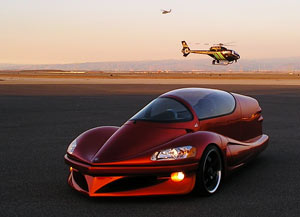
Check this car out, I'm not sure about the looks, but the performance claims are interesting. And if anybody can find the fuel vapor patent application, i'd be interested in reading it.
Matt Giles
www.gilesprojectcar.blogspot.com
www.gilesprojectcar.blogspot.com
Who is online
Users browsing this forum: No registered users and 3 guests